
-
Started
2025-2026
-
Intake
120
-
DTE Choice Code
522874210
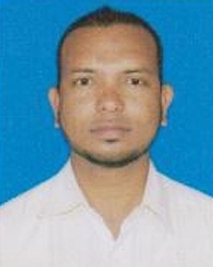
Prof.Ansari Jamil Ahmad Shakil Ahmad
Incharge Head of Department
The Department of Electronics and Computer Engineering is established in academic year 2025-2026 with an intake of 120 students.
The Electronics and Computer Engineering department has well equipped laboratories. All the laboratories are completely and continuously upgraded to fulfil the need of students.
The Department constitutes 6 Laboratories which are well- equipped according to curriculum as prescribed by MSBTE. The faculty members of the department have demonstrated a deep sense of commitment, enthusiasm, achievement and motivation to sustain the academic environment.
Considering the Soft Skills requirements of the students, department emphasizes on Co-Curricular and Extra-Curricular Activities conducted at state levels. Department also organizes Regular Seminars and Guest Lectures for students to cater to the high growth of industries to look after student’s welfare, department has arranged a mentoring session held once in week which focuses on student’s issues.
Vision
- To develop leading Electronics and Computer Engineering professionals in the region who use technology to solve societal challenges and build a better nation.
Mission
- To equip students with the latest skills in both hardware and software using hands-on training and modern labs.
- To work closely with industries to offer students internships and training so they are prepared for emerging technologies
- To empower / encourage students to develop socially responsible and sustainable projects that address real world needs / help the community
Program Outcomes (POs):
Program Outcomes (POs):
1. Basic and Discipline Specific Knowledge: Apply knowledge of basic mathematics, sciences and engineering fundamentals and engineering specialization to solve the engineering problem.
2. Problem Analysis: Identify and analyse well-defined engineering problems using codified standard methods.
3. Design/ Development of Solutions: Design solutions for well-defined technical problems and assist with the design of systems components or processes to meet specified needs.
4. Engineering Tools, Experimentation and Testing: Apply modern engineering tools and appropriate techniques to conduct standard tests and measurements.
5. Engineering Practices for Society, Sustainability and Environment: Apply appropriate technology in the context of society, sustainability, environment and ethical practices.
6. Project Management: Use engineering management principles individually, as a team member or a leader to manage projects and effectively communicate about well-defined engineering activities.
7. Life-long Learning: Ability to analyse individual needs and engage in updating in the context of technological changes.